Tokyo the Amazing - Walking Tour
JP Pacific Co.,Ltd · Tokyo
The ultimate tour of Tokyo encompasses not just the famous landmarks and attractions of this vibrant metropolis, but also delves into the rich tapestry of history and spiritual heritage woven around Japan’s bustling capital—one of the largest urban centers globally.
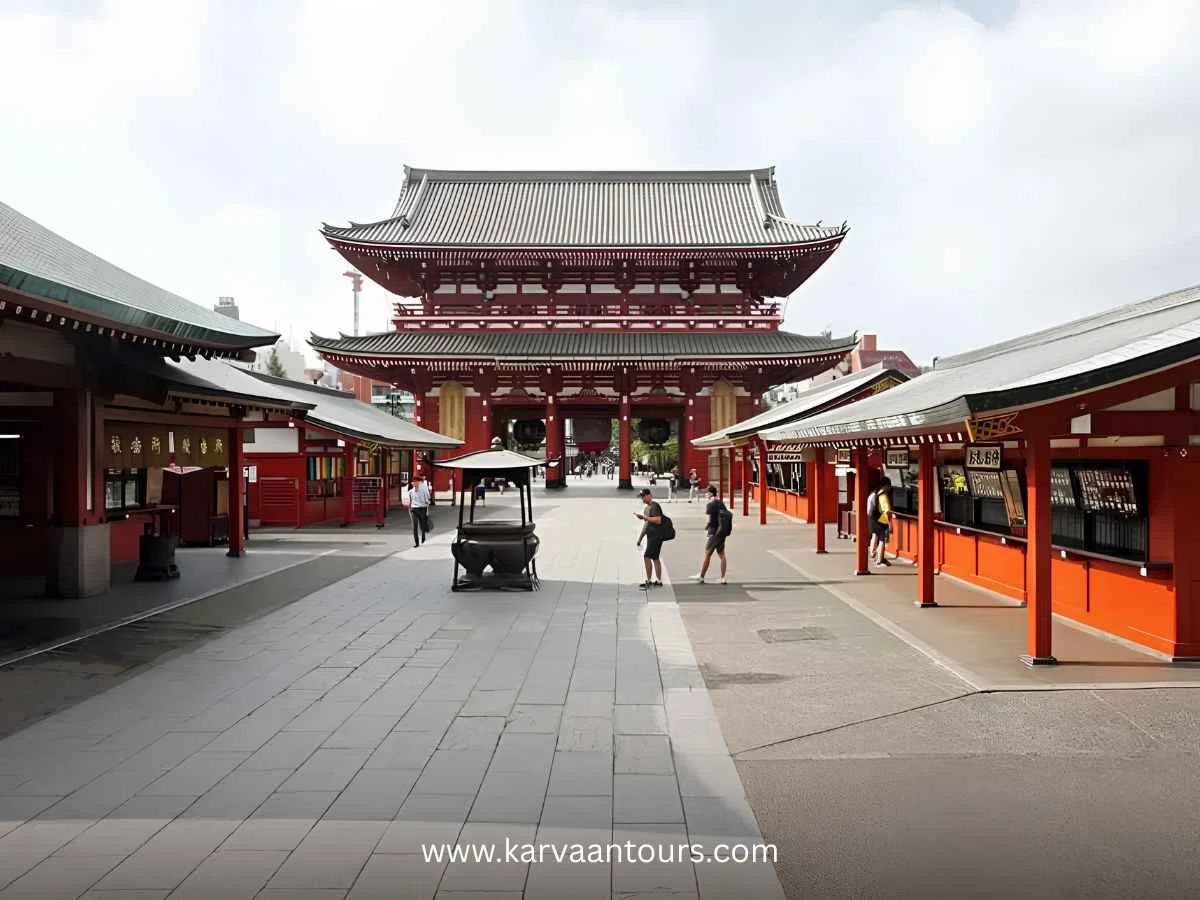
**Sensoji Temple in Asakusa, Tokyo**
Sensoji Temple, alternatively referred to as Asakusa Kannon, stands as Tokyo’s oldest place of worship. Constructed back in 645 AD, it pays homage to Goddess Kannon, revered as the embodiment of compassion within Buddhism. A particularly cherished spot among visitors lies near the imposing Kaminarimon Gate adorned with a massive lantern.
On the early dawn of March 18th, 628 AD, during a period when Japan’s political center resided in Asuka—an era associated with present-day Nara Prefecture—Hinokuma Hamanari along with his sibling Takenari engaged in fishing activities at the banks of the Sumida River. Their nets unexpectedly ensnared something extraordinary; upon closer inspection, they discovered a sacred statue hidden amidst their catch. Recognizing the significance of the artifact, Hajino Nakatomo, who served as the headman of today’s Asakusa district, identified it as belonging to Bodhisattva Avalokiteshvara—known locally by devotees as Kannon. This profound realization led him to embrace Buddhism wholeheartedly. In dedication to this divine discovery, he converted his residence into a sanctuary and devoted himself entirely to honoring the deity through continuous prayers and commemorative rituals.
By 645 AD, Shōkai, a devout monk practicing Mahayana Buddhism, journeyed to these lands and constructed a shrine specifically designed to house the image of Kannon. However, after receiving guidance through a prophetic vision, Shōkai made the decision to conceal the idol permanently out of reverence or fear. To date, efforts to locate the original sculpture have proven futile.
During those times, Asakusa existed primarily as a modest fishing hamlet nestled alongside the tidal flats bordering Tokyo Bay, situated deep within the expansive wilderness commonly recognized as Musashi Province. Over subsequent years, the community gradually expanded and prospered due to various factors including increased trade routes connecting distant regions across East Asia. Consequently, Sensoji became much more than merely a local landmark; instead, it evolved into a significant cultural hub attracting pilgrims seeking solace under the compassionate gaze of Kannon throughout centuries past. Today, standing tall amid modern skyscrapers adorning neon lights, Sensoji remains both historically authentic yet vibrantly alive embodying timeless traditions while embracing contemporary dynamism characteristically unique to metropolitan areas like Tokyo.